
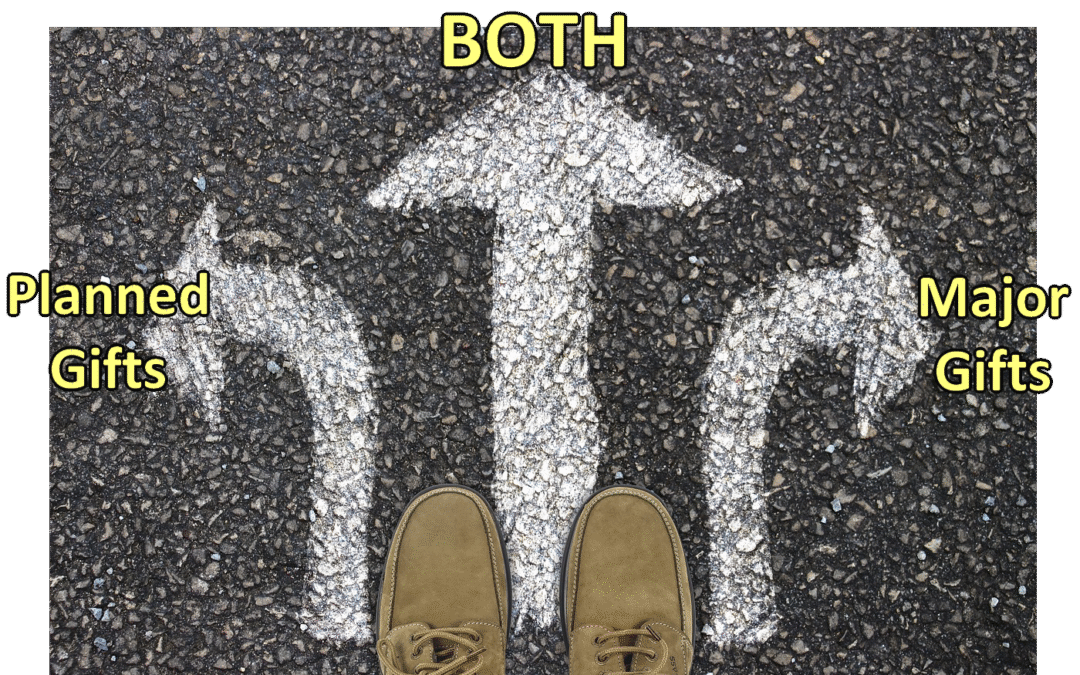
If you’re a fundraiser, you’ve probably faced the age-old question: does promoting planned gifts distract donors from giving major gifts? It’s a valid concern, but one that doesn’t need to cause hesitation. The reality is that planned giving and major giving can work together harmoniously, strengthening your fundraising strategy without jeopardizing either type of gift.
This blog will debunk the misconception that planned gifts undermine major gifts, explore the relationship between the two, and offer tips on how to integrate these strategies effectively in your fundraising programs.
The Misconception: Planned Gifts Cannibalize Major Gifts
Some fundraisers may fear that donors who commit to a planned gift may feel less inclined to make a major gift, assuming they’ve already “done their part.” But is that actually the case? The short answer is no.
Research shows that donors who give planned gifts are more, not less, inclined to give during their lifetime. Why? Because planned giving discussions deepen relationships. They engage donors in meaningful conversations about their values, vision, and legacy. This often leads to increased alignment with your organization’s mission and opens the door to future substantial contributions.
A Key Statistic to Remember
According to a study by Russell James, Ph.D., planned gift donors are overall more valuable than non-planned gift donors. They are likely to donate 2.5 times more over their lifetime for annual giving, major gifts, and other opportunities.
How Major and Planned Gifts Complement Each Other
Rather than competing, planned gifts and major gifts can complement and amplify each other when approached strategically. Here’s how:
1. Planned Giving Builds Donor Loyalty
A donor’s decision to include your organization in their will establishes a strong bond with your mission. This increased sense of connection often inspires more lifetime giving, including major gifts.
2. Major Gifts Can Lead to Planned Gift Conversations
The cultivation process for major gifts naturally provides opportunities to discuss the donor’s long-term philanthropic plans. Once donors make a major gift, they’re often more open to discussions about legacy giving.
3. Planned Giving Unlocks New Intentions
Some donors who aren’t currently in a position to make a major gift can still feel empowered to support your organization through a planned gift. This ensures that their intention to give is honored and keeps them engaged with your nonprofit.
4. Both Approaches Offer Recognition
Donors want to feel appreciated, and both planned and major gifts provide opportunities to steward your donors effectively. Recognition may encourage them to continue giving generously in both capacities.
How to Strike the Right Balance
Integrating planned gifts and major gifts into a cohesive fundraising approach takes thoughtfulness and skill. Here are some actionable tips:
1. Segment Your Donors Thoughtfully
Segment your outreach to identify donors who are ideal candidates for major gifts, planned gifts, or both. Analyze their giving history, age, wealth screening data, and engagement to craft personalized strategies. A donor in their forties might be a stronger candidate for a major gift now, while a donor in their sixties may want to discuss planned giving options.
2. Start Specific Conversations
Conversations around planned and major gifts don’t have to be either/or. Instead, focus on understanding what matters most to the donor. Ask questions like:
- “What impact would you like to leave for future generations?”
- “How would you like to see your values reflected through your giving?”
These discussions allow you to explore both immediate and long-term opportunities for their involvement.
3. Position Planned Giving as a Complement
When engaging a potential major donor, you can position planned giving as an additional way to extend their impact, without compromising their current philanthropy. For example:
- “Your major gift will help us build a new community center, and your planned gift ensures it will continue serving families for decades to come.”
4. Strengthen Stewardship
A solid stewardship program is essential for both planned and major gift donors. Show your appreciation regularly, highlight the impact of their support, and keep them informed of the organization’s progress. The stronger their relationship with your nonprofit, the more likely they are to give at an elevated level.
5. Educate Your Team
Ensure your fundraising team understands that planned gifts and major gifts aren’t competing priorities. Train your gift officers to comfortably discuss both options and recognize opportunities to promote either type of giving.
Build a Holistic Approach to Fundraising
Both planned and major gifts are indispensable to creating a sustainable future for your organization. When approached strategically, they don’t sabotage or overshadow each other but instead build upon one another to maximize donor impact.
Take the time to understand your donors and where they are in their giving journeys. By fostering meaningful conversations, recognizing their generosity, and providing flexible giving options, you’ll unlock not just gifts, but lifelong relationships.
Take the Next Step
Looking for ways to refine your fundraising strategy? Download our free guide on integrating planned and major gifts seamlessly, or contact our experts to discuss how we can help you build a balanced, impactful development program. Don’t view planned and major gifts as an either/or decision. Instead, see them as two powerful tools that, when combined, make your fundraising stronger than ever.